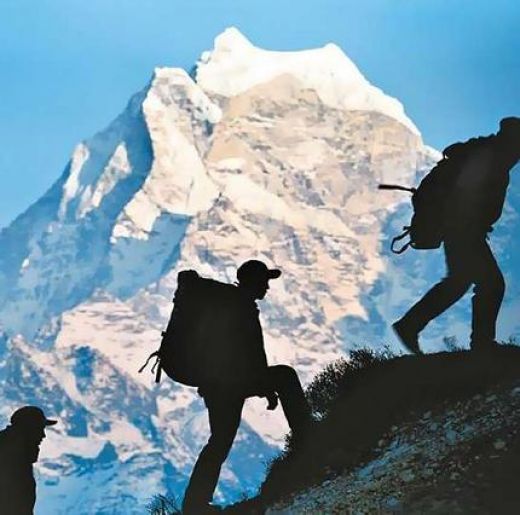
Trekking tours
print this page
Latest Post
Hiển thị các bài đăng có nhãn trekking tips. Hiển thị tất cả bài đăng

Ten top holiday cash tips to make your travel money stretch further

Going on holiday can be an expensive experience - but there are ways to dodge some of the extra costs.
But excessive car hire fees, travel money costs and useless insurance can take a significant bite out of your spending money.
Here, we show you how to sidestep travel hassles.
Streetwise: Find out how to make the most of your holiday mone

1 Don't buy cash at the airport

Not only will you get a poor exchange rate, but you could also pay steep commission charges.

The Moneycorp Kiosk at Gatwick's North Terminal, for example, was offering just -107 in return for £100 when Money Mail investigated.

But you would have got nearly - 118 if you'd ordered your euros from International Currency Exchange (ICE) and collected it from London's Waterloo Station.

The best deals can be found online, but check delivery charges before ordering. Companies worth considering include www.thomasexchange.co.uk and www.bestforeignexchange.com

2. Choose a cheap credit card


Most cards impose a foreign currency charge of between 2.75 per cent and 2.99 per cent every time you use them abroad. So when you spend £100, you'll be charged £103. This charge won't show up on your statement, because the card issuers take it by manipulating the exchange rate.

However, you can avoid these charges. Santander's Zero credit card and those from Saga and the Post Office don't have any foreign exchange loading fees. Nationwide Visa is fee-free in Europe, but carries a small charge for foreign currency exchange elsewhere. If you plan to apply for one of these cards, do it now so it arrives in time.

It cost £65 on the phone to sort out my flight
Judy and Eden Callaby, from Hounslow, Middlesex, racked up a £65 mobile phone bill in just one day phoning Britain from Dubai trying to sort out a problem with their flight home.

The couple, who were on holiday with their children Abigail, 11, and Imogen, eight, had paid for a return flight with Qatar Airways, but their travel agent had accidentally issued only a one-way ticket on the computer system.

They made several calls to the travel agent and airline to resolve the problem.

'My mobile phone bills from O2 are usually £15 a month, so we were surprised when we got the bill for £65,' says Mrs Callaby.
O2 charges £1.70 a minute to call Britain from Dubai, and £1.41 a minute to receive a call there from the UK.
'You need to have your phone when you are on holiday in case something like this happens,' says Mrs Callaby. 'But providers sting you when you make lots of calls.'

3 Don't draw cash on your credit card

Nearly every credit card will hit you with three charges for withdrawing cash. There will be the hidden foreign currency charge, a cash withdrawal charge that may be as high as 2.99 per cent (with American Express) and interest from the day you make the withdrawal, which could be more than 30%.
Overall, withdrawing £100 in foreign currency can cost you almost £106 with the most expensive cards such as MBNA, HSBC, First Direct and American Express - and you'll be charged interest from the day of the withdrawal. Once the interest is added, your bill could rise to more than £110.
The exception is Santander's Zero credit card, which has no foreign currency loading and doesn't charge a fee for cash withdrawals. Update (31 July): It will still charge a very high interest rate for drawing out money, as with all credit cards.

4 Beware of demon debit cards

You might expect your debit card to offer free withdrawals, but many charge a fee of up to £4.95 on £100. Most have a minimum fee, so it is better to draw out larger amounts rather than small ones. The most expensive include Royal Bank of Scotland/NatWest and Barclays, which charge up to £4.75 on a £100 withdrawal, according to Moneyfacts.
With Barclays, this includes a 'cash conversion' charge of 2.75 per cent and a 2 per cent 'cash transaction charge', minimum £1.50 and maximum £4.50.
But the real demon debit cards also charge between £1 and £1.50 every time you spend on them abroad. So if you pay for a gift costing £10 using your debit card, the bank will add this fee in addition to swiping its currency exchange fee. It's like paying 15 per cent commission on every transaction.
Use your debit card 20 times on holiday in shops and restaurants and you'll be hit by £20 to £30 in fees, in addition to the currency exchange charge.
The worst are Halifax, IF, Lloyds, RBS NatWest and Santander. The good guy is Nationwide, which does not charge for cash withdrawals within the EU for spending using its Flexaccount debit card (there is a 1 per cent currency exchange charge outside the EU).
You could consider pre-paid cards, but watch out for charges. You load the cards with money before you go and use them, as you would a debit or credit card. The best for foreign usage are from Caxton FX and FairFX.
These cards are available online and can be loaded with euros or dollars. They don't have any spending or foreign usage fees, but FairFX does charge - 1.50 or $2 each time you withdraw cash.

5 Don't let shops convert currency

Some shops, restaurants and cash machines in southern European countries will offer to convert your euro bill into sterling. Don't let them, because you will be given a very poor exchange rate.
If the outlet does it automatically and refuses to reverse the transaction, take a note of its details and tell your card issuer when you get home.
My bank blocked my card
Ben Jessel, 32, had his Halifax debit card blocked while on a holiday in the Mediterranean and had to rely on handouts from friends.
'The whole thing was embarrassing because I knew I had enough funds in my account,' says Ben, a management consultant from Farnborough, Hants. 'I now use a Caxton Global Traveller pre-paid card when I go on holiday, which I load before I go.
'I know it won't get blocked and it also has the advantage of no cash machine charges, which used to cost as much as £20 when I went on holiday.'
A spokesman for Halifax says: 'We recommend that people notify us before they go away and give us a 24-hour contact number, as well as taking a contact number for us.
'Anyone who does run into problems should contact us and let us know, so we can unblock the card with immediate effect.'

6 Tell your bank before you go

Banks are becoming increasingly cautious about overseas credit and debit card activity, so if you haven't told them about your travel plans before you go, your card could be stopped without warning. Even if you tell your bank in advance, you could run into problems.
'We hear of cases where people's cards are blocked, even when they have told their bank that they're heading off on holiday,' says Mark Bowerman, spokesman for the UK Cards Association.
'Before going away, make sure the bank has a 24-hour contact number for you and you have a 24-hour number for them so you can get in touch if you run into problems, and they can release the block on your card as quickly as possible.'
If you incur costs such as expensive taxi fares or phone bills when trying to reactivate your card, you should ask your bank for a refund. If it refuses, contact the independent Financial Ombudsman Service at www.financial-ombudsman.org.uk or by calling 0800 0234 567.
You can download a free online guide offering advice to people using debit and credit cards abroad this summer from the website www.theukcardsassociation.org.uk

7 Fill your petrol tank

Car hire small print can be full of nasty surprises. Hire car drivers usually need to return the car with a full tank of fuel or risk the hire firm charging well over the odds to fill it up themselves.
You may be offered the opportunity to use the full tank of fuel that comes with the car and return it empty for an extra fee - but this can still cost you nearly twice as much as if you were to fill it up yourself.
As you leave the airport, keep your eyes open for a nearby petrol station you can use on your return.

8 Watch for car cover scams

Car rental companies charge an excess when drivers have an accident, which can be as steep as £1,000. They will offer to let you lower the excess by paying an extra charge, but this can substantially bump up your overall bill.
U.S. car hire firms routinely target jet-lagged Brits with offers of extra insurance, so make sure you are not buying cover you already have. The website www.dailyexcess.com provides insurance to protect motorists from steep excess charges when driving abroad.
For £4.75 a day, the site enables you to buy cover against excess charges worldwide, whenever and wherever you rent a car for trips of ten days or fewer.
Policies include damage to windows, tyres, the undercarriage and roof, which tend to be excluded from most alternative policies. If you are taking your own car overseas, talk to your insurer to find out the cover your policy offers for driving abroad.
Some will cover you for driving abroad for 90 days and others for just a few. Get some international breakdown cover, too, so you don't end up stranded at the roadside.

We were stung for £165 by hire excess
Retired couple Elaine, 65, and Frank Hodsoll, 67, were shocked to be asked to pay an extra $285 Australian dollars, equivalent to £165, to reduce the excess on their hire car.
The Hodsolls, from Canvey Island, Essex, had paid A$475 (£275) to hire a car from Avis for nine days while on holiday in Australia, and found out only on their arrival about the extra charge.
'In Adelaide we were told the excess would be A$3,000 and to reduce this to A$300 we would have to pay A$284.66,' says Mrs Hodsoll.
'The original confirmation only stated an excess would be charged in the event of any damage - it did not quote an amount. We paid, as we were worried that in the event of any damage we would be unable to pay such a large excess.'
Nick Mountfield, head of marketing at Avis UK, says: 'Our call centre tells customers about the maximum excess that will apply in the event of any damage. We also clearly inform the customer that they may choose to pay locally to reduce the excess.
'Our call centre staff have access to the local fees and can provide this on request. We could offer rentals with no excess, but the cost of damage would need to be factored into the price. This would put up prices for everyone.'

9 Avoid mobile phone shock

A few calls made and received while you're abroad can result in an eye-watering mobile phone bill when you get home. O2, for example, charges a steep £1.37 a minute to make a call home if you are on holiday in the US, and £1.03 a minute to receive a call.
T-Mobile charges £1.20 a minute to receive and make calls from the US. Charges in Europe are lower and will fall further on July 1, when the cost in EU member states will be capped at 39 cents (32p) a minute to make a call and 15 cents (12p) a minute to receive a call.
Watch out if you use your mobile to access the internet. Orange charges £8 a megabyte (MB) downloaded if you're outside Europe; T-Mobile charges £7.50 a MB.
Consider a bolt-on deal to cut costs. For example, with T-Mobile's Euro Boosters bolt-on, which costs £5 a month, you text EURO5 to the number 879, and you can make up to 17 minutes of calls, receive up to 39 minutes of calls or send up to 68 texts to European countries including holiday hotspots Greece, Cyprus, Spain and Portugal. Other networks have similar deals.
But the best way to keep costs down is to text instead - these usually cost only around 11p to send from Europe and between 25p and 40p from farther a field, and are free to receive.

10 Check your insurance

Cheapest isn't necessarily the best when buying travel insurance. Insurers can also wriggle out of paying claims by saying that you didn't tell them some relevant information up front, such as if a member of your party - or even a close relative - is taking medication.
Before buying insurance, always examine the small print so you know your cover limits. Your cancellation cover, for example, if you have booked your holiday independently, should be enough to include your flights as well as other expenses such as car hire and accommodation.
If you are taking cash with you, make sure you have cover for this and that you are protected in the event that your baggage is lost or stolen. You should look for a minimum of £1m personal liability cover and £2m medical cover. Always make sure there is a travel delay and abandonment section included in the cover.
Sometimes, cheap insurance policies won't include this, leaving you vulnerable if your flight is delayed for such a length of time that you have to cancel your holiday. In the event that you do need to make a claim, keep careful records to show your insurer everything you have spent as a result.
Things that can help support a claim include receipts for accommodation, car hire and food, as well as a confirmation letter from the airline if your flight is delayed.


2 nhận xét

8 Tips for Trekking Responsibly

1. Leave only footprints

Responsible hiking means leaving the environment as you found it: cleaning up after yourself and taking out everything that you brought in. While most hikers wouldn’t dream of throwing soda cans or food wrappers on the ground (although sadly, some still do) smaller items like cigarette butts, toilet paper or food scraps are often over-looked. Think ahead and minimize waste by removing excess packaging, utilizing reusable containers or stuff sacks and carrying a trash bag. Degradable waste and leftover food that may attract unwanted animals into camping or eating areas can be safely burnt and where camp toilets are unavailable, waste should be buried in a hole (around 15cm deep) and covered over.

2. Look after your porters

Many high-altitude climbs employ the use of porters, hired to carry luggage and camping equipment up steep mountain paths, a difficult task that none-the-less provides welcome employment opportunities to local villagers. Unfortunately, porters are all too often treated as mules, overloaded with packs weighing almost as much as their body weight, wearing flimsy sandals ill-suited for climbing and grossly underpaid.
Although often disregarded, porters are a crucial and hard-working member of the trekking team, without which many climbers would be unable reach their destination, so be sure to treat your porter with the respect he or she deserves. Pack as lightly as possibly and distribute heavy items between packs if traveling in a group; tip appropriately as many workers rely on tips to supplement a less than adequate wage and quiz your trekking company on their employment regulations before booking.

3. Respect the local environment

Tourist interest in the world’s most popular trails has done a lot of good for preservation and conservation efforts but crowds flocking to an area undoubtedly brings its pitfalls. Walking off-route or trailblazing down hillsides puts fragile landscapes at risk of erosion and while one person picking flowers, burning tree branches or collecting natural keepsakes may have little effect, the cumulative impact can be severe.
The trick is to become a passive observer, sticking to well-trampled trails, keeping a respectful distance from wildlife, burning only dead wood and resisting the temptation to remove rocks, shells or plants from their natural environment. Most importantly, encourage local communities to respect and preserve their environment rather than mining it for sellable resources – discourage souvenir-making from non-renewable resources, pass on your knowledge of endangered plants or wildlife and encourage trek guides and porters to follow suit.

4. Abide by the local culture code

Many of the world’s most enthralling landscapes are also home to indigenous or tribal communities, whose rituals and religions can be equally fascinating to the intrepid traveler. Whilst tourism brings wealth and employment to these oft-overlooked populations, it can also lead to a clash between traditional values and western ways.
It’s a trekker’s duty to be sensitive to these local cultures and educate themselves beforehand on acceptable behavior, appropriate dress codes and local customs. Remember to ask permission if you want to take photographs and respect their right to refuse. Refrain from the urge to distribute ‘gifts’ to poorer residents – even this seemingly innocent gesture can encourage begging and create a distance between locals and tourists. If you have a genuine urge to donate, consult with your trekking company or the village elders for advice on distributing supplies or cash donations.

5. Practice responsible sight-seeing

Many treks pass through scared areas or places of religious importance and while many westerners may visit for alternative reasons, it’s important to do your research before heading out and respect the associated traditions, taboos or customs. Whether it’s covering yourself with a scarf and removing your footwear to enter shrines or temples, receiving a blessing to cross into aboriginal territory or valuing the rights of pilgrims trekking to holy sites, there are a host of obligations to consider that may not be immediately obvious to visiting westerners. Disrespecting these ‘rules’ is not only offensive to locals but may even be against the law in some countries. If you are unsure, watch what the locals do and don’t be afraid to ask your guide or other visitors for guidance.

6. Watch out for water pollution

Streams and rivers on-route may seem like a great place to bathe, do laundry and wash up your cooking equipment, but be aware that they are often the main water source for local villages as well as wildlife. To avoid contaminating water supplies, pack refillable or collapsible water bottles or pouches, carry supplies back to your camp and dispose of dirty water well away from streams or rivers. When going to the toilet, make sure you are 100m from the water edge as disease is quickly spread by waste draining through into the water.

7. Support the local community

Sustainability is key to responsible tourism and the best way to encourage long-term growth is to support local companies and use services provided by locals. Consider hiring local guides and porters, even when you might prefer to trek independently – not only will you benefit from their insider knowledge, but you’ll be creating employment for and building connections with locals. Correspondingly, spend your money on locally made souvenirs, stock up on food at the local market and buy camping supplies from local stores.
Book treks with reputable local companies wherever feasible and if booking through an international company, look for one that is sustainable and puts money back into communities as well as creating jobs. Don’t be afraid to quiz them on their policies: how much of your money will go to local communities; do they hire local guides; do they have any schemes in place to preserve the local environment? A good tour company will be honest and transparent in their answers, and should be more than happy to share their knowledge with potential visitors.

8. Pass on the message

Most importantly, spread the word. Share your tips and knowledge with other travelers and friends back home and listen to their own advice too – the best route to change is through exchange!
Whilst trekking, call out other trekkers that you see littering or damaging the environment and politely explain to them the error of their ways. Encourage local companies and guides to adopt eco-friendly and sustainable initiatives by showing them that westerners are concerned about these policies – changes will soon be made even in countries where there is little concern for the environment if it’s thought that this will attract more customers to their company.


0 nhận xét

Tips for Newbies on Trekking and Mountain Climbing

Below are some most valuable tips for trekking and mountaineering newbies. These tips mentioned below put light on several aspects of mountain climbing and trekking including most essential trekking gear to be taken with you and some important steps to be taken by a trekker before planning for a trekking trip.
  1. Carry a windsheeter or a raincoat to avoid extreme climatic conditions.
  2. Carry a few plastic bags on your trip.
  3. Always carry a small hunting knife or an army knife.
  4. Don't ever lit fire when it is not necessary.
  5. To preventing insects and mosquito bites, always wear long trek pants and full sleeves T-shirts.
  6. Try always to leave a permanent mark on the places while trekking where you think the person following you can get lost.
  7. Carry a 50-meter long trekking rope with you.
  8. Carry a topographical compass and map for trekking in higher altitudes.
  9. Must remember to carry carbohydrate rich food products to get energy.
  10. Before planning your trekking trip, you should always go through the weather forecast very carefully. Also, don't forget to check temperatures (approximate) you will face while on a trekking trip. Also don't forget to buy a very good sleeping bag.
  11. Try to read information from guidebooks and communicate with the local people around your trekking spot.
  12. Always prepare a first-aid box for yourself and your team.
  13. If are planning to trek on a snowy terrain, don't forget to carry an ice ax with yourself. Also remember to never share your ice ax with anybody else during the trekking trip as your axe is very very important for your safety.
  14. If planning to discover an unknown area for trekking, inform the local tourist office about your planned trip before leaving.
  15. Always carry enough match boxes in water resistant bags (zip lock).
  16. Always buy at least two good pair of trekking shoes before the trip.
  17. Most important tip to remember is that you should save your environment by leaving no trace of garbage or trash, except your footprints in nature.
Above were a few mountain climbing and trekking tips for newbies. Least not last, you must never buy a sleeping bag without a install a cotton liner inside it. The inside cotton liner will not irritate your skin and will provide you comfort when you are sleeping. Also always prepare your trekking bag by laying clothes one on one. The most frequently used items must be kept on the top. Also, laying clothes on one another will make your bag as a thermos device which will keep you warm in extremely cold conditions on the mountains


Public by Vietnam Trekking
0 nhận xét

Family travel guides - Good travel health for your family

Travel health depends on your pre departure preparations, your day-to-day health care while traveling and how you handle any medical problem or emergency that does develop. While the list of potential dangers can seem quite frightening, with a little luck, some basic precautions and adequate information few travelers experience more than upset stomachs.

Pre-Departure Preparations

Health Insurance

A travel insurance policy to cover theft, loss and medical problems is a wise idea.
Check the small print:
  • Some policies specifically exclude "dangerous activities" which can include scuba diving, motorcycling, even trekking. If such activities are on your agenda you will need another sort of policy. A locally acquired motorcycle license may not be valid under your policy.
  • You may prefer a policy which pays doctors or hospitals directly rather than you having to pay on the spot and claim later. If you have to claim later make sure you keep all documentation. Some policies ask you to call back (collect) to a center in your home country where an immediate assessment of your problem is made.
  • Check if the policy covers ambulances or an emergency flight home. You may also need to cover the expanse of an additional person to accompany you in the case of certain illnesses. If you have to stretch out you will need two seats and somebody has to pay for them!

Health Preparation

  • Make sure you and your children are healthy before you start traveling. If you are embarking on a long trip make sure your teeth are OK; there are lots of places where a visit to the dentist would be the last thing you'd want to do.
  • If children wear glasses take a spare pair and the prescription. Losing glasses can be a real problem, although in many places you can get new spectacles made up quickly, cheaply and competently.
  • If your kids require a particular medication take an adequate supply, as it may not be available locally. Take the prescription or, better still, part of the packaging showing the generic rather than the brand name (which may not be locally available), as it will make getting replacements easier. It's a wise idea to show you legally use the medication - it's surprising how often over-the-counter drugs from one place are illegal or even banned in another country without a prescription.

Immunizations

  • Vaccinations provide protection against diseases you might meet along the way. For some countries no immunizations are necessary, but the further off the beaten track you go the more necessary it is to take precautions.
  • It is important to understand the distinction between vaccines recommended for travel in certain areas and those required by law. Essentially the number of vaccines subject to international health regulations has been dramatically reduced over the last 10 years. Currently yellow fever is the only vaccine subject to international health regulations.
  • Vaccination as an entry requirement is usually only enforced when coming from an infected area.
  • All vaccinations should be recorded on an International Health Certificate, which is available from your physician or government health department.
  • Plan ahead for getting your vaccinations: some of them require an initial shot followed by a booster, while some vaccinations should not be given together. It is recommended you seek medical advice at least six weeks prior to travel.
  • Most children from Western countries will have been immunized against various diseases during childhood but your doctor may still recommend booster shots against measles or polio, diseases still prevalent in many developing countries. Apart from these, special vaccinations are not normally given to children under 12 months of age. Talk to your doctor.
  • The period of protection offered by vaccinations differs widely and some are contra-indicated if you are pregnant or likely to become pregnant within three months of the vaccination.
  • The possible list of vaccinations includes:
    • Smallpox: Smallpox has now been wiped out worldwide, so immunization is no longer necessary.
    • Cholera: Not required by law. Protection is poor and it lasts only six months. It is contra-indicated in pregnancy.
    • Tetanus & Diphtheria: Boosters are necessary every 10 years and protection is highly recommended.
    • Typhoid: Available either as an injection or oral capsules. Protection lasts from one to three years and is useful if you are traveling for long periods in rural, tropical area. You may get some side effects such as pain at the injection site, fever, headache and a general feeling of being unwell. A new single-dose injectable vaccine, which appears to have few side effects, is now available but is more expensive. Side effects are unusual with the oral form but stomach cramps may be one of these.
    • Infectious Hepatitis: The most common travel-acquired illness which can be prevented by vaccination. Protection can be provided in two ways - either with the antibody gamma globulin or with a new vaccine called Havrix. Havrix provides long-term immunity (possibly more than 10 years) after an initial course of two injections and a booster at one year. It may be more expensive than gamma globulin but certainly has many advantages, including length of protection and ease of administration. It takes about three weeks to provide satisfactory protection - hence the need for careful planning prior to travel. Gamma globulin is not a vaccination but a ready-made antibody which has proven very successful in reducing the chances of hepatitis infection. Because it may interfere with the development of immunity, it shouldn't be given until at least 10 days after administration of the last vaccine needed; it should also be given as close as possible to departure because it is at its most effective in the first few weeks after administration and the effectiveness tapers off gradually between three and six months.
    • Yellow Fever: Protection lasts 10 years. Vaccination is contra-indicated during pregnancy but if you must travel to a high-risk area it is probably advisable. Check with your doctor.
    • Meningitis: This vaccination is recommended for visitors to Nepal and for visitors to some areas of Africa and Brazil. It is given as a single injection and gives immunity for up to three years duration.
    • Tuberculosis: TB is widespread throughout the developing world. Most Westerners will have been vaccinated at some time during their school years. For children vaccination is not deemed necessary unless they will be spending prolonged periods (say up to a year) in an area of risk.

Basic Rules

Care in what you eat and drink is the most important health rule. Stomach upsets are the most likely travel health problem (between 30% and 50% of travelers in a two-week stay experience this) but the majority of these upsets will be relatively minor. Don't become paranoid; trying the local foods is part of the experience of travel, after all.
WATER, JUICE & DAIRY PRODUCTS
  • The number-one rule is do not drink the water that includes ice. If you don't know for certain that the water is safe always assume the worst. Reputable brands of bottled water or soft drinks are generally fine, although in some places bottles refilled with tap water are not unknown. Only use water from containers with a serrated seal - not tops or corks.
  • Take care with fruit juice, particularly if water may have been added.
  • Milk should be treated with suspicion, as it is often unpasteurized. Boiled milk is fine if it is kept hygienically and yogurt is always good.
  • Tea or coffee should also be OK, since the water should have been boiled.
  • In hot climates make sure your children drink enough - don't rely on them feeling thirsty to indicate when they should drink. If you are breast feeding be prepared to feed much more frequently, or remember to give frequent additional drinks from a bottle. Always carry a water bottle with you on long trips. Not needing to urinate or very dark yellow urine is a danger sign.
  • Excessive sweating can lead to loss of salt and therefore muscle cramping. Salt tablets are not a good idea as a preventative, but in places where salt is not used much, adding salt to food can help.
FOOD
  • There is an old colonial adage which says: "If you can cook it, boil it or peel it you can eat it...otherwise forget it".
  • Salads and fruit should be washed with purified water or peeled where possible.
  • Ice cream is usually OK if it is a reputable brand name, but beware of buying it from street vendors in developing countries in case the ice cream has melted and been refrozen.
  • Thoroughly cooked food is safest but not if it has been left to cool or if it has been reheated.
  • Shellfish such as mussels, oysters and clams should be avoided as well as undercooked meat, particularly in the form of mince. Steaming does not make shellfish safe for eating.
  • If a place looks clean and well-run and if the vendor also looks clean and healthy, then the food is probably safe. In general, places that are packed with travelers or locals will be fine, while empty restaurants are questionable. Busy restaurant means the food is being cooked and eaten quickly with little standing around and is probably not being reheated.
NUTRITION
  • If your food is poor or limited in availability, if you're traveling hard and fast and missing meals, or if your children simply lose their appetite, they can soon start to lose weight and place their health at risk.
  • Make sure you have a well-balanced diet. Eggs, tofu, beans, lentils and nuts are all safe ways to get protein.
  • Fruit you can peel (bananas, oranges or mandarins for example) is always safe and a good source of vitamins.
  • Try to eat plenty of grains in the form of rice and bread.
  • Remember that although food is generally safer if it is cooked well, overcooked food loses much of its nutritional value.
  • If your diet isn't well balanced or if food intake is insufficient, it's a good idea to take vitamin and iron pills.

Medical Kit

  • A small, straightforward medical kit put together with special thought for children's ailments is a wise thing to carry.
  • Make sure that you know the appropriate children's dose of any medicines you are carrying, and that they are in fact suitable for children.
  • Ideally, antibiotics should be administered only under medical supervision and should never be taken indiscriminately. Take only the recommended dose at the prescribed intervals and continue using the antibiotic for the prescribed period, even if the illness seems to be cured earlier.
  • Antibiotics are quite specific to the infections they can treat. Stop immediately if there are any serious reactions and don't use the antibiotic at all if you are unsure that you have the correct one for the infection.
  • In Indochina, if a medicine is available at all it will generally be available over the counter and the price will be much cheaper than in the West. However, be careful when buying drugs in developing countries, particularly where the expiration date may have passed or correct storage conditions may not have been followed.
    Bogus drugs are common and it's possible that drugs which are no longer recommended, or have even been banned in the West are still being dispensed here.
  • What you should bring along
    • Infant analgesic - with measuring cup or dropper
    • Antihistamine (such as Benadryl) - useful as a decongestant for colds, allergies, to ease the itch from insect bites or stings or to help prevent motion sickness. Antihistamines may have a sedative effect and interact with alcohol so care should be taken when using them.
    • Antibiotics - useful if you're traveling well off the beaten track, but it must be prescribed and you should carry the prescription with you. Some people are allergic to commonly prescribed antibiotics such as penicillin or sulfa drugs.
    • Kaolin preparation (Pepto-Bismol, Imodium) - for stomach upsets.
    • Rehydration mixture - for treatment of severe diarrhea. This is particularly important if traveling with children who dehydrate easily. An electrolyte mixture is available in sachets.
    • Antiseptic (like Dettol or Betadine), mercurochrome and antibiotic powder or similar "dry" spray - for cuts and grazes.
    • Calamine lotion - to ease irritation from sunburn, bites or stings.
    • Bandages, band-aids, gauze and cotton wool - for minor injuries.
    • Scissors, tweezers and a thermometer/fever strips - mercury thermometers are prohibited by airlines.
    • Insect repellent, sun block, suntan lotion, chap stick - check that it is suitable for children's skin.
    • Water purification tablets.
    • Diaper rash cream, teething gel - for predictable ailments.
    • Worm treatment, lice shampoo, anti-fungal powder - for treatment of minor but irritating health problems.
    • A couple of syringes - in case you need injections in a country with medical hygiene problems. Ask your doctor for a note explaining why you are carrying them.

    Public by Vietnam Trekking
     

1 nhận xét

Trekking Hints & Tips

After reading some of the advice on the "how fit for Mera" thread I thought it would be a good idea to put together a hints and tips thread to help out any prospective trekkers.

I have done 7 treks in Nepal and a couple of climbs. I have whittled down my kit list from 22kgs the first time and I went through 17kgs, 14kgs, 24kgs (climbing) to finally 8kgs. So this list works for me (it may not for everyone). I am not taking unnecessary risks with this amount of stuff it is based upon my experience of trekking and climbing in Britain, the Alps, the Pyrenees, the Andes and Nepal and contains only the stuff I do use and nothing else, even when conditions have been bad. I would not recommend for everyone to wear trainers but I am happy carrying 30kgs in them. I find my feet are a lot less tired and more comfortable when I use trainers, but sometimes they get wet and they aren't great on snow, and for anyone without much trekking experience ankle support is very important. If you aren't used to it it is easy to turn an ankle. You might want to take more first aid stuff too and if you suffer from the cold a warmer bag and another layer.

Also I acclimatise very fast and very well (at least so far) so I must add that the advice I have written here works for me and you use this advice at your own risk! For me the trekking is much more enjoyable with a very light pack and in trainers, that at least allows me to take two cameras, a tripod and four lenses without needing a herd of yaks to carry them!

The trick for me is to take as many things as possible that have a dual use, 8kgs is for everything including what I am wearing (but does not include my camera equipment):-
(I can't remember how much all this stuff weighs individually but it weighs around 8kgs including pack, 1 litre of water plus everything I am wearing including shoes)

1) 35 litre pack - 700grms
2) Down jacket - 850grms
3) -5 down bag - 850grms (the coldest it has ever been in my room in a lodge outside of January/February was -5 apart from once on the Annapurna Circuit - that's from 7 treks)
4) 2 long sleeve tops (1 merino, 1 synthetic) 300-400grms each
5) 2 pairs merino underwear
6) 3 pairs walking socks
7) 3 pairs liner socks
8) lightweight trainers (I walk in these and don't bother with boots) 350grms
9) 1 pair lightweight trekking trousers (zip off into shorts) 200grms
10) 1 pair schoeller mountaineering trousers (the pants I use are made by Haglofs and button down over the top of boots meaning there is no need for gaiters)
11) 1 lightweight insulated windproof (like a RAB photon) doubles up as insulation layer and windproof - is also pretty waterproof too - these are fantastic - 350grms
12) Warm hat
13) pair of gloves
14) Jag bags silk liner (very light)
15) 1 carbon fibre pole 200grms
16) 1 litre water bottle
17) Aqua Mira water treatment
18) Sunblock
19) E45 moisturiser
20) Anti bac handwash
21) Toilet roll
22) Ear plugs
23) 1 gig MP3 player and 1 battery and headphones - 50 grms
24) Couple of strips of ibuprofen
25) couple of strips of aspirin
26) Sunglasses
27) Toothbrush and toothpaste
28) Headtorch including batteries - 90grms
29) Superfeet insoles for my trainers
30) a couple of stuff sacks
31) Notepad and pen
32) book
33) Map
34) Watch (includes compass)
35) Sometime down slippers!
36) Passport
37) Money
38) Wide brimmed sun hat
39) 2 x lip balm
40) A little bit of travel wash
41) Maybe a pair of scissors (lighter than a knife and can be used as a screwdriver if you have the right sort)

Tips:-
1) I keep my toilet roll and handwash together in a plastic zip bag. Then I always wash my hands when I go to the loo - no germs, you don't get ill

2) The antibac dry handwash I use requires no water and I use it all the time - all the time before eating or handling food, again no germs you don't get ill.

3) I have one stuff sack that I keep all my stuff that I need in the lodge of an evening (toilet roll, book, hat, gloves, mp3 player, wate rtreatment, ear plugs, notepad and pen, headtorch, etc). When I arrive at a lodge I get a room, lay out my sleeping bag, change into dry clothes, put on my down jacket, grab my evening stuff sack and put on my down slippers if I have them. Then when you go into the dining room you have everything you need. I don't need to go back to the room to get my headtorch or any more warm clothing, or loo roll to go to the toilet. I can hang my clothes out to dry, kick back and relax. Read my book, listen to music, write my journal without having to go to and fro. This has taken a bit of practice though and always on the first few days of a trip I have got the list wrong and have to make a few extra trips to the room.

4) If it is cold and the foam mattresses on the bed are a bit thin I try and get a room on my own and steal the foam mattress from the other bed to double up

5) If it is cold, wear only thermal underwear to bed (you need to warm the bag with your body to be warm), run around or on the spot before you go to bed and get into your bag warm (you get in cold you will be cold), wear a hat and put your down jacket over the top of your sleeping bag (don't wear it)

6) At drink stops and lunch stops, take off your shoes and socks, take out your insoles from your shoes/boots and dry them in the sun, look after your feet and they will look after you.

7) When ascending at altitude take little steps and you will find it easier going

8) From breakfast through to late afternoon (around 3 to 4pm) drink lots and lots (4-5 litres plus if you can). I drink a litre as soon as I get out of bed. That way you will be well hydrated but hopefully avoid having to get up in the middle of the night. Note you only know you are hydrated when your pee is clear. If it isn't keep drinking until it is.

9) If I am having difficulty dropping off to sleep I take half a ibuprofen and it helps me to drop off (an old mountaineers trick). If you are worried at all about masking a headache and AMS then don't do it.

10) Take half an aspirin a couple of times a day, it will help to thin your blood.

11) Monitor your pulse rate. This is how I tell I am acclimatised. For example your resting pulse rate might be 60. Your resting, acclimatised pulse rate at altitude might be 80. Your pulse rate will increase even when resting while you are acclimatising to probably somewhere over 100. Learn how your pulse operates and you will start to work out when you are acclimatised. Here is how it works for me:-

For instance if I trek up Namche hill to Namche, when I arrive I will check my pulse, it is normally 80 while acclimatising at this height. After 8 hours it will go down to 60. This is my resting pulse for around this height. I know at this point I am acclimatised (see above for disclaimer)!

12) I prefer to cover up than plaster myself in sunblock. I wear a long sleeved high necked merino top and brimmed sun hat which means I don't have to put any sunblock on unless I am walking on snow. Then the reflections off the snow mean it is important to put sunblock on your face and when really high even up your nostrils! Sunburnt nostrils are no fun I can tell you!

13) I always wrap some gaffa/duck tape around my trekking pole. You can repair everything with it from tent poles, holes in tents to treating blisters (I have done this on my own blisters as I found this stuff was the only thing that stuck to my feet, regular blister treatements didn't work for me).

14) You may notice the lack of toiletries! Well merino wool is the secret you can wear it for weeks and you don't stink, honestly!
Public by Vietnam Trekking
 
0 nhận xét
 
Support : (0084) 913 025 122
Copyright © 2011. Trekking Vietnam - All Rights Reserved

Travel LosAnglesPortalen.se
Licence professionnelle : 01024/TCDL - GPLHQT
Proudly powered by Blogger
Travel Blogs Travel blogs